

Common Catheter Myths That Make Recovery Harder for Patients
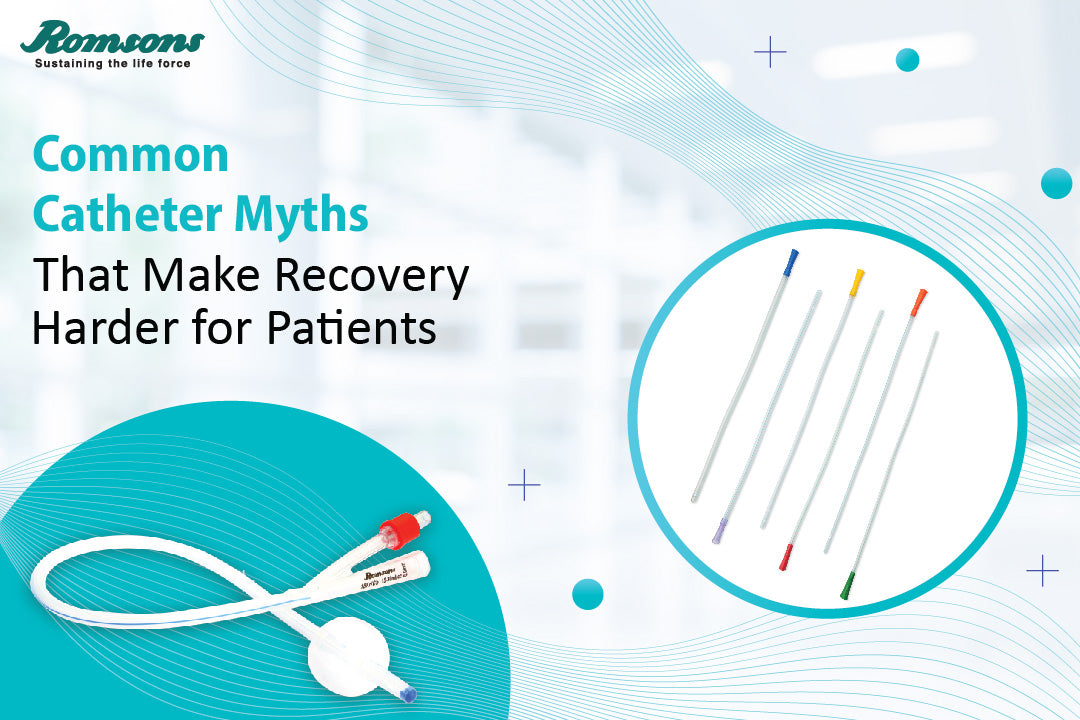
Catheters are widely used in hospitals, long-term care facilities, and even at home to help people manage urinary retention, incontinence, or post-surgical recovery. Despite their medical importance, catheters are often surrounded by fear, embarrassment, and misinformation.
These myths don’t just affect emotions—they can actually delay recovery, increase discomfort, and lead to complications. Understanding the truth behind common catheter myths empowers patients and caregivers to make better decisions, follow proper care routines, and recover with confidence.
Let’s separate fact from fiction.
Why Catheter Myths Matter More Than You Think
Recovery is not just physical—it’s psychological too. When patients believe inaccurate information about catheters, they may:
- Avoid using them when medically necessary
- Improperly care for the catheter
- Feel anxious or ashamed, slowing healing
- Ignore early warning signs of infection
Trusted medical brands like Romsons Catheter focus on safety, comfort, and hygiene—but even the best products can’t help if myths get in the way.
Myth 1: “Catheters Are Only for the Elderly or Seriously Ill”
The truth:
Catheters are used across all age groups.
From young adults recovering after surgery to women experiencing temporary urinary retention after childbirth, catheters are prescribed for many short-term and long-term medical needs.
Common situations where catheters are used:
- Post-operative recovery
- Neurological conditions
- Prostate issues
- Temporary urinary retention
- Spinal injuries
Using a catheter doesn’t define your age or health status—it’s simply a medical support tool, much like a cast or IV line.
Myth 2: “Using a Catheter Means I’ll Become Dependent on It”
The truth:
Catheters don’t cause dependency.
They are prescribed because of an existing condition, not the other way around. In many cases, catheters are used temporarily until bladder function improves.
Doctors regularly reassess catheter use and remove it as soon as it’s medically safe. High-quality options like Romsons Catheter are designed for smooth insertion and removal, supporting natural recovery rather than interfering with it.
Myth 3: “Catheters Are Always Painful and Uncomfortable”
The truth:
Discomfort usually comes from poor technique—not the catheter itself.
Modern catheters are made from soft, biocompatible materials that minimize irritation. When inserted correctly and chosen in the right size, pain is not normal.
Factors that improve comfort:
- Proper lubrication
- Correct catheter size
- Gentle insertion
- Quality materials (like medical-grade latex or silicone)
Trusted products such as Romsons Catheter are engineered to reduce friction and irritation, helping patients move, rest, and recover more comfortably.
Myth 4: “Catheter Use Always Leads to Infection”
The truth:
Infections are preventable with proper care.
While catheter-associated urinary tract infections (CAUTIs) are a known risk, they are not inevitable. Most infections occur due to poor hygiene, prolonged unnecessary use, or incorrect handling.
Infection prevention tips:
- Wash hands before and after handling
- Keep the drainage bag below bladder level
- Avoid unnecessary disconnections
- Follow recommended replacement schedules
Using reliable, sterile products like Romsons Catheter and following medical guidance significantly lowers infection risk.
Myth 5: “I Can’t Move or Live Normally with a Catheter”
The truth:
Mobility is possible—and encouraged.
Many patients believe they must stay in bed while using a catheter. In reality, gentle movement improves circulation, prevents bedsores, and supports faster healing.
With proper securing and drainage management:
- Patients can walk
- Sit comfortably
- Sleep normally
- Perform daily activities
Modern catheter designs support an active recovery, not confinement.
Myth 6: “Catheter Care Is Too Complicated for Home Use”
The truth:
With basic guidance, catheter care is manageable.
Healthcare providers train patients and caregivers on:
- Cleaning routines
- Bag emptying
- Recognizing warning signs
Clear instructions, combined with dependable products like Romsons Catheter, make home catheter care safe and effective.
Simple routines often make a big difference in comfort and recovery outcomes.
Myth 7: “Feeling Ashamed Is Normal—and I Should Just Accept It”
The truth:
Shame is common—but unnecessary.
Catheter use is a medical need, not a personal failure. Emotional stress can actually slow healing by increasing anxiety and reducing adherence to care instructions.
Open conversations with doctors, nurses, and caregivers help normalize catheter use and reduce emotional burden. Medical devices exist to support dignity—and modern catheter solutions reflect that shift.
How Myths Can Actively Delay Recovery
Believing catheter myths can lead to:
- Skipping necessary catheter use
- Removing catheters too early
- Ignoring hygiene protocols
- Avoiding movement and rehabilitation
Each of these can extend recovery time, increase complications, and raise healthcare costs.
Accurate information is as essential as the device itself.
Choosing the Right Catheter Matters
Not all catheters are the same. Quality, material, and design directly affect comfort and safety.
Healthcare professionals often recommend trusted brands like Romsons Catheter, known for:
- Medical-grade materials
- Patient-centric design
- Reliability in hospital and home settings
- Focus on safety and hygiene
The right catheter supports healing instead of becoming another challenge.
When to Talk to a Doctor
Seek medical advice if you notice:
- Persistent pain or burning
- Fever or chills
- Cloudy or foul-smelling urine
- Leakage around the catheter
Early intervention prevents small issues from becoming serious setbacks.
Catheters don’t make recovery harder—misinformation does.
By debunking common catheter myths, patients and caregivers can:
- Reduce fear and stigma
- Improve comfort and confidence
- Prevent complications
- Support and recover faster
With proper guidance, hygiene, and trusted solutions like Romsons Catheter, catheter use can be a smooth, temporary step towards healing—not a barrier.
Recovery works best when facts lead the way, not fear.