

Home Catheter Care Routine: Daily & Weekly Checks for Infection Prevention
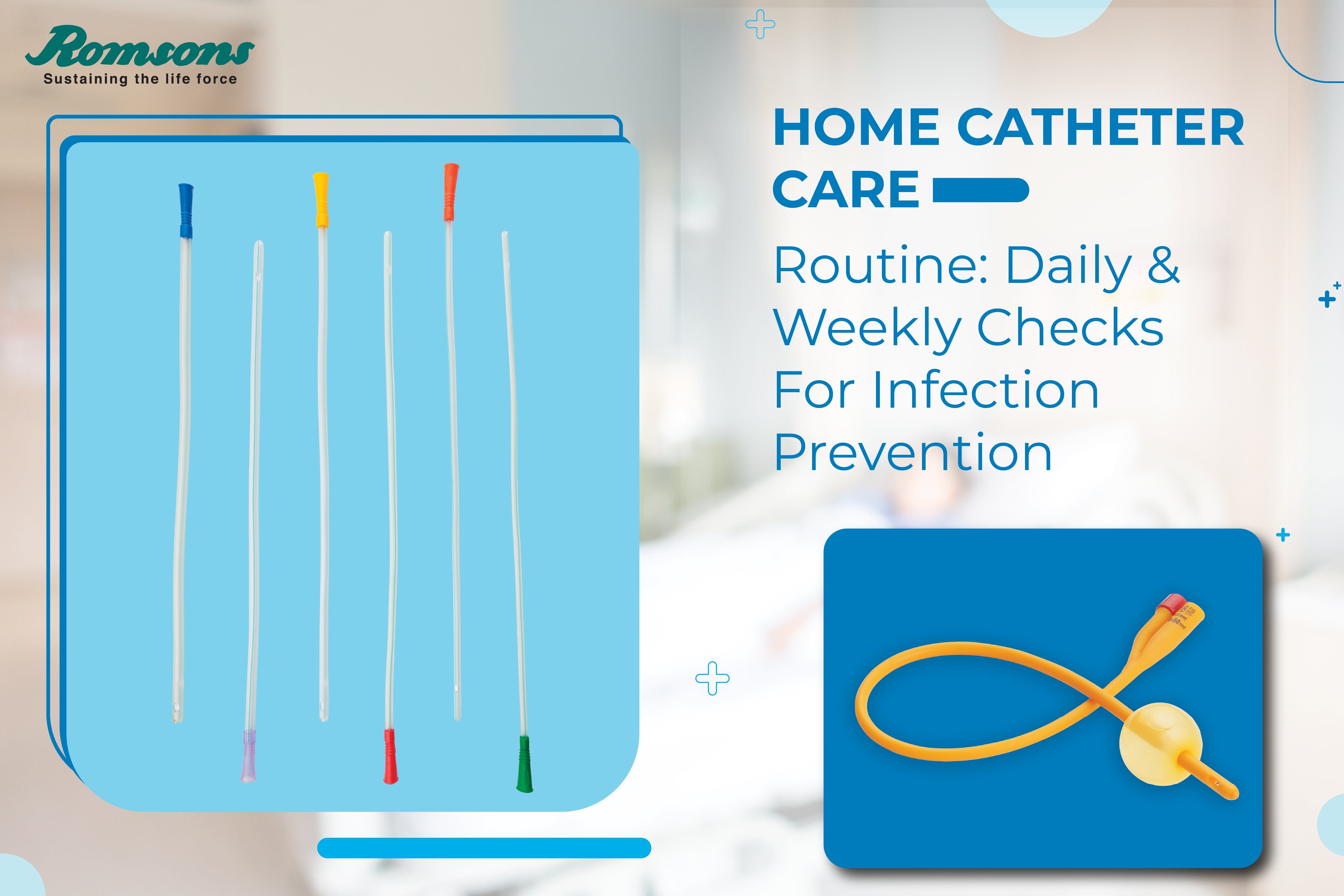
Living with a urinary catheter at home can feel overwhelming at first—but with the right care routine, it becomes a manageable part of daily life. Whether you or a loved one uses a catheter temporarily or long term, proper home catheter care is essential to prevent infections, discomfort, and complications.
In this guide, we’ll walk you through daily and weekly catheter care routines, warning signs of infection, and practical tips to maintain hygiene—so you can stay comfortable, confident, and safe at home.
Why Proper Catheter Care Matters
A urinary catheter is a medical device that drains urine from the bladder. While it plays a vital role in managing urinary retention, post-surgical recovery, or mobility challenges, it also creates a direct pathway for bacteria to enter the body.
Without proper care, catheter use can lead to:
- Catheter-associated urinary tract infections (CAUTIs)
- Skin irritation and sores
- Blockages or leakage
- Unpleasant odors and discomfort
Following a consistent catheter care routine at home significantly reduces these risks and supports long-term urinary health.
Types of Urinary Catheters Used at Home
Before diving into care routines, it helps to know which catheter type you’re using:
- Indwelling (Foley) Catheter – stays in place for extended periods
- Intermittent Catheter – inserted and removed several times a day
- External (condom) Catheter – commonly used for men
High-quality options like Romsons Catheter are designed for smooth insertion, optimal flow, and patient comfort, making them suitable for safe home use when paired with proper hygiene.
Daily Catheter Care Routine (Must-Do Every Day)
Daily care is the foundation of infection prevention. These simple steps should become a habit.
1. Wash Your Hands—Every Time
Before and after touching the catheter, drainage bag, or tubing:
- Use soap and clean water
- Scrub for at least 20 seconds
- Dry hands with a clean towel
This single step dramatically reduces infection risk.
2. Clean the Catheter Area Gently
Once a day (or more if advised):
- Clean the skin around the catheter insertion site using mild soap and water
- Rinse thoroughly and pat dry
- Avoid harsh cleansers, antiseptics, or powders unless prescribed
For men, clean under the foreskin (if uncircumcised) and return it to its normal position afterward.
3. Check Urine Flow and Color
Healthy urine should be:
- Pale yellow
- Free-flowing
- Without strong odor
Call a healthcare provider if you notice:
- Cloudy or foul-smelling urine
- Blood in urine
- Reduced or no urine flow
4. Keep the Drainage Bag Below Bladder Level
This prevents urine from flowing back into the bladder.
- Attach the bag to your thigh or bed frame
- Never place it on the floor
Romsons Catheter drainage systems are designed to support smooth, gravity-based urine flow when positioned correctly.
5. Empty the Drainage Bag Regularly
- Empty when it’s about ½ to ⅔ full
- Use a clean container if needed
- Avoid letting the outlet touch any surface
Always clean your hands before and after emptying.
Weekly Catheter Care Routine (Deep Checks That Matter)
Weekly checks help detect early signs of trouble and ensure long-term safety.
1. Inspect the Catheter and Tubing
Once a week, check for:
- Cracks or discoloration
- Kinks or blockages
- Stiff or brittle tubing
If the catheter looks worn or damaged, contact your healthcare provider for replacement. Using reliable products like Romsons Catheter can reduce wear-related issues.
2. Clean or Change the Drainage Bag (As Advised)
Depending on medical advice:
- Some drainage bags are disposable
- Others require weekly cleaning with mild soap and water
Let the bag air-dry completely before reuse.
3. Check the Skin for Irritation
Look for:
- Redness
- Swelling
- Pain
- Discharge around the insertion site
Skin irritation can be an early warning sign of infection or pressure injury.
4. Review Your Hydration Habits
Adequate fluid intake helps flush bacteria from the urinary system.
- Aim for clear to pale-yellow urine
- Follow fluid guidelines given by your doctor
Unless restricted, proper hydration supports catheter function and comfort.
Warning Signs of Catheter-Related Infection
Seek medical attention immediately if you notice:
- Fever or chills
- Burning sensation or pain
- Lower abdominal discomfort
- Sudden confusion (especially in elderly patients)
- Leaking urine around the catheter
Early treatment can prevent serious complications.
Additional Tips for Infection Prevention at Home
- Never disconnect the catheter unnecessarily
- Avoid tugging or pulling the tube
- Wear loose, breathable clothing
- Follow catheter replacement schedules strictly
- Use only medically approved products like Romsons Catheter for safety and reliability
Consistency is the key—small daily habits make a big difference.
When to Consult a Healthcare Professional
Contact your doctor or nurse if:
- Urine flow stops
- The catheter falls out
- You notice persistent pain or bleeding
- You’re unsure about cleaning or maintenance steps
Never attempt adjustments or replacements without proper guidance.
Living Confidently with a Catheter at Home
A urinary catheter doesn’t have to limit your independence or quality of life. With a structured daily and weekly catheter care routine, you can significantly reduce infection risks and stay comfortable at home.
Choosing dependable products like Romsons Catheter, following hygiene best practices, and staying alert to early warning signs empowers both patients and caregivers. With the right care, catheter management becomes not a burden—but a manageable part of everyday health.