

How to Avoid Workout Injuries
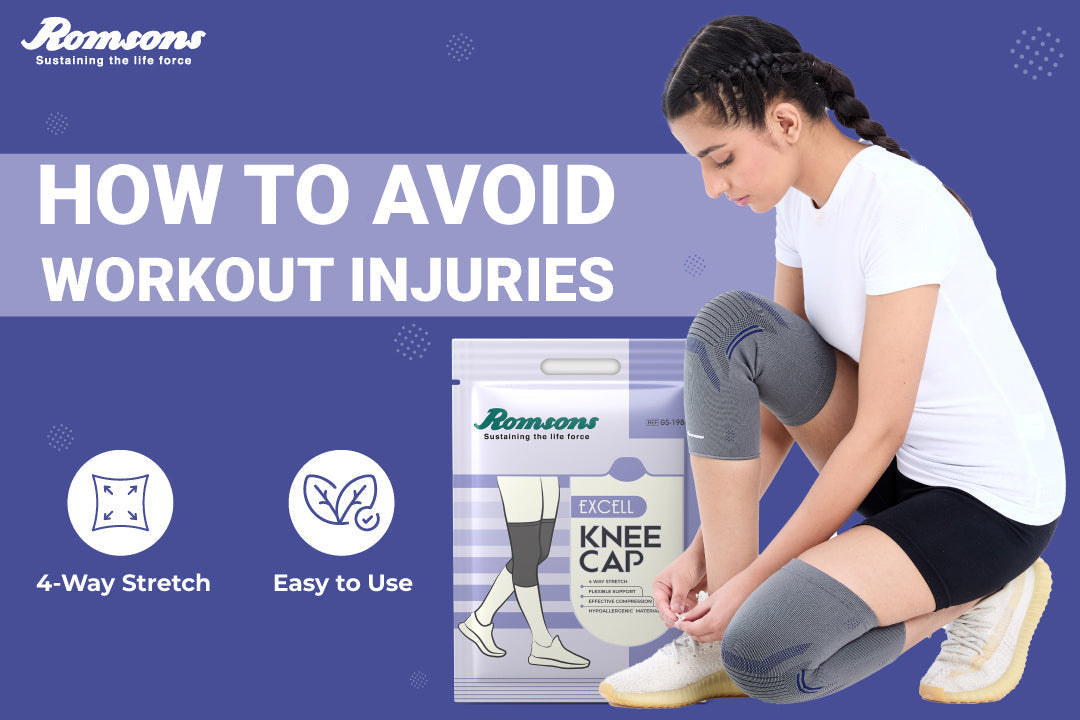
Staying active is one of the best investments you can make for your health. Regular exercise boosts strength, improves mobility, enhances mood, and supports long-term wellness. But there’s a flip side many people overlook — workout injuries. From sprains and muscle pulls to joint strain and fatigue, injuries can sabotage your fitness journey and keep you off track for weeks.
The good news? Most exercise injuries are completely preventable with the right approach. This guide explains how to avoid workout injuries, protect your joints and muscles, and make your fitness routine safer and more effective.
Why Do Workout Injuries Happen
Workout injuries usually occur when you push your body beyond its current capacity. Some of the most common triggers include:
- Poor form or incorrect posture
- Inadequate warm-up and cool-down
- Lifting weights heavier than your ability
- Overtraining without rest
- Weak stabilizing muscles
- Not using the right protective gear
- Using faulty or worn-out equipment
Understanding these triggers is the first step towards preventing injuries and staying consistently active.
1. Start With a Proper Warm-Up
A warm-up is not optional — it’s your body’s preparation for movement. When you warm up, your muscles become more flexible, your blood flow increases, and your heart rate gradually rises. All of this drastically reduces your risk of injury.
What to Include in a Warm-Up
- Light cardio: brisk walking, spot jogging, or cycling (3–5 minutes)
- Dynamic stretches: arm circles, leg swings, and hip rotations
- Joint mobility drills: ankle rolls, wrist mobility, shoulder rolls
Skipping warm-ups is one of the leading causes of muscle pulls and ligament strain. Even if you’re short on time, spend at least 5 minutes warming up properly.
2. Master the Correct Form
Poor posture or incorrect technique can overload your muscles and joints. Whether you’re lifting weights, practicing yoga, or doing high-intensity workouts, maintaining correct form is essential.
How to Improve Your Form
- Learn exercises with certified trainers or reputable sources
- Use mirrors to observe posture
- Start with lighter weights and gradually increase
- Avoid rushing through sets
When your body is aligned correctly, you reduce stress on your joints, improve muscle engagement, and significantly lower the chances of injury.
3. Strengthen Supporting Muscles
Weak stabilizers — like the core, glutes, and hip muscles — are silent contributors to many injuries. Strong supporting muscles protect your joints and make movements more efficient.
Add These to Your Routine
- Core strengthening: planks, bird dogs, dead bugs
- Glute activation: bridges, clamshells, lateral band walks
- Balance training: single-leg stance, Bosu ball exercises
Building a balanced body is essential for long-term injury prevention.
4. Use the Right Gear — Your Knees Will Thank You
Protective gear is not just for professionals. Daily exercisers also need supportive accessories, especially when working on high-impact routines or knee-focused activities.
Here, a good knee support product can make all the difference.
Where Romsons Excell Knee Cap Helps
While discussing knee protection, it’s worth mentioning the Romsons Excell Knee Cap, which provides targeted compression and flexible support to your knee joint. Made with premium hypoallergenic materials, it ensures an ergonomic fit and delivers the stability you need during workouts such as running, squatting, cycling, or strength training.
Using proper knee support becomes even more important if:
- You have a history of knee pain
- You engage in high-impact activities
- You’re recovering from a previous strain
- You want to enhance stability and confidence
Supportive gear enhances performance and helps prevent avoidable injuries.
5. Gradually Increase Intensity
Overtraining is a silent risk. Many injuries happen when people increase weights, speed, or duration too quickly.
Follow the 10% Rule
Increase your workout intensity or duration by no more than 10% per week. This gives your muscles and connective tissues time to adapt.
What Overtraining Looks Like
- Fatigue
- Reduced performance
- Persistent soreness
- Irritability
- Sleep disturbance
Remember, fitness is a journey — not a race.
6. Cool Down and Stretch
Just as warming up prepares your body, cooling down helps it recover.
Benefits of Cooling Down
- Reduces muscle stiffness
- Prevents dizziness
- Encourages flexibility
- Helps heart rate return to normal safely
Focus on static stretches, holding each one for 20–30 seconds. This is especially helpful for hamstrings, calves, quadriceps, shoulders, and back muscles.
7. Prioritise Rest and Recovery
Your body needs time to repair micro-tears in muscles — this is how strength is built. Ignoring rest leads to chronic injuries, fatigue, and burnout.
Recovery Tips
- Sleep 7–9 hours
- Take 1–2 rest days per week
- Use foam rollers for muscle relaxation
- Apply ice packs to reduce inflammation after intense sessions
Recovery is an essential part of training, not an optional extra.
8. Stay Hydrated and Eat Well
Dehydration reduces joint lubrication and increases cramping, making you more prone to injury. Fueling your body with nutrition supports performance, muscle repair, and endurance.
Hydration Tips
- Drink water before, during, and after workouts
- Add electrolytes for long sessions
- Avoid training intensely in extreme heat
Nutrition Basics
- Protein for muscle repair
- Carbohydrates for energy
- Healthy fats for joint health
- Vitamins and minerals for recovery
A well-nourished body is far less likely to get injured.
9. Listen to Your Body
Ignoring pain is one of the biggest mistakes fitness enthusiasts make. Discomfort is normal, but sharp, sudden, or persistent pain is a warning sign.
Stop immediately if you feel:
- A popping sensation
- Intense swelling
- Sudden weakness
- Unusual stiffness
Early attention can prevent long-term damage.
10. Use Supportive Accessories When Needed
If you regularly experience joint strain or fatigue, using support gear can make workouts safer.
The Romsons Excell Knee Cap is especially beneficial here. With its targeted compression, flexible support, and hypoallergenic construction, it helps stabilize the knees while reducing unnecessary stress — making it ideal for everyday workouts, sports activities, and rehabilitation routines.
Investing in the right accessories is investing in your long-term fitness.
Preventing workout injuries is all about being mindful, consistent, and equipped with the right knowledge. By warming up properly, maintaining good form, gradually increasing intensity, strengthening supporting muscles, and using reliable protective gear like the Romsons Excell Knee Cap, you can enjoy safer, stronger, and more rewarding workouts.
Your body is your most valuable asset — take care of it, train wisely, and stay active for life.