

Light Incontinence After Childbirth: Recognising & Managing It Gracefully
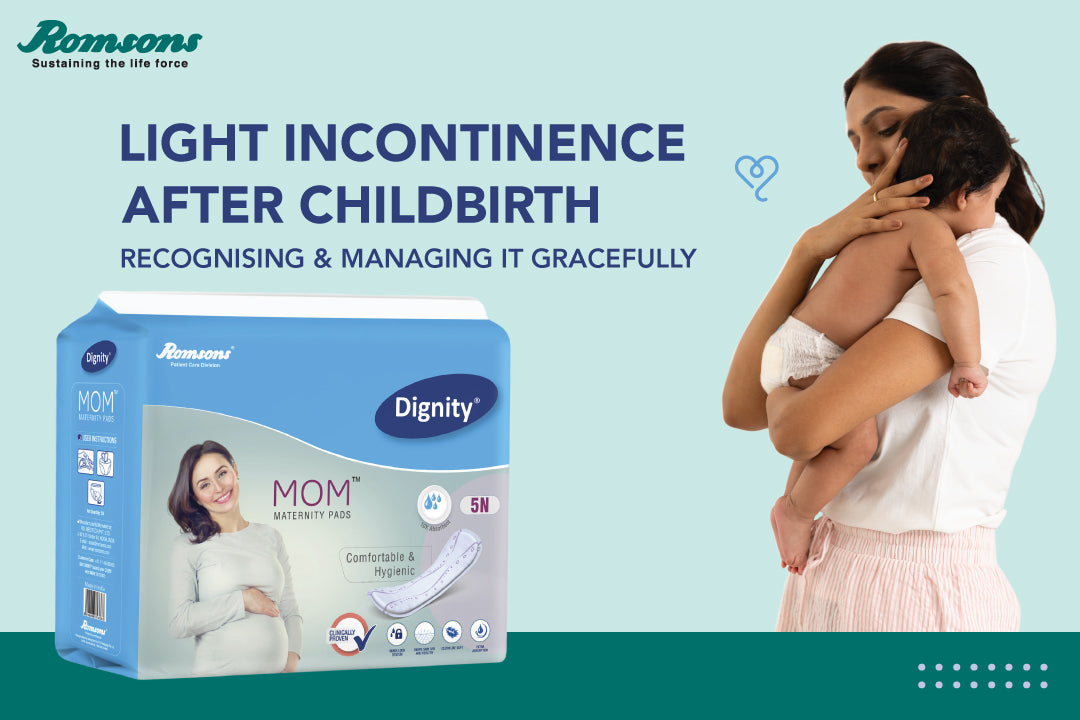
Bringing a baby into the world is one of life’s most powerful experiences — but it also brings changes that many new mothers aren’t always prepared for. While conversations around postpartum bleeding, tiredness, and breastfeeding are common, one topic often left unspoken is light incontinence after childbirth.
If you’re leaking a little when you sneeze, laugh, or lift your baby, you’re not alone. Postpartum urinary incontinence affects nearly 1 in 3 new mothers, and though it can be unexpected, it’s manageable, treatable, and nothing to be ashamed of.
This guide walks you through why it happens, how to recognise the signs early, and effective ways to manage — and gradually heal — with confidence and grace.
What Is Light Incontinence After Childbirth?
Light incontinence refers to small, involuntary urine leaks — often triggered by sudden pressure, like coughing, laughing, or bending. Many women experience this during the postpartum months as their body recovers from pregnancy and delivery.
The condition is usually due to pelvic floor weakness, hormonal changes, or temporary disruptions to bladder control during childbirth.
Types of postpartum incontinence you may notice:
- Stress incontinence – leaks that occur when pressure is applied (eg. sneezing, jumping).
- Urge incontinence – sudden, strong urge to pee, often followed by a little leakage.
- Mixed incontinence – a combination of both.
Most cases are temporary and improve with proper care and strengthening.
Why Does Incontinence Happen After Childbirth?
Pregnancy and delivery put immense pressure on the pelvic region. Even if you had a smooth labour, your pelvic muscles and nerves undergo stretching that may temporarily affect bladder control.
Common causes include:
1. Weakened Pelvic Floor Muscles
These are the muscles responsible for supporting the bladder, uterus, and bowel. During pregnancy and birth, they stretch to accommodate the baby, which can reduce their strength.
2. Hormonal Shifts
After childbirth, estrogen levels drop sharply. Since estrogen helps maintain tissue strength and elasticity, low levels can make the urethra and pelvic floor feel weaker.
3. Vaginal Delivery
Especially if the labour was long, involved forceps, vacuum extraction, or resulted in tearing. These factors may add temporary strain to the bladder-supporting muscles.
4. C-section Delivery
Even mothers who delivered via C-section can experience light incontinence due to pregnancy pressure on the bladder and pelvic floor.
5. Postpartum Lifestyle Changes
Carrying your newborn, feeding positions, and occasional lack of movement can add to core and pelvic imbalance.
Recognising the Signs Early
Many new mothers overlook the symptoms or assume they’re “normal forever,” but early recognition helps ensure faster recovery.
You may be experiencing light postpartum incontinence if you notice:
- Leaking while coughing, laughing, lifting, or walking fast
- Rushing to the toilet with a sudden urge
- Difficulties holding urine for long
- Feeling like the bladder isn’t fully emptying
- Mild dampness in underwear through the day
- While small leaks are common in the first few weeks, seek medical advice if symptoms worsen or persist beyond 3–6 months.
Managing Postpartum Incontinence Gracefully
Yes — you can live fully, move freely, and heal steadily. Here are evidence-based, mom-approved ways to manage leakage while giving your body the support it deserves.
1. Practice Pelvic Floor (Kegel) Exercises
Kegels are the gold standard when it comes to postpartum bladder health.
How they help:
They strengthen the pelvic floor muscles, improve bladder control, and help reduce leakage episodes over time.
Start slow:
- Tighten pelvic muscles as if stopping your urine mid-flow
- Hold for 3–5 seconds
- Relax for 5 seconds
- Repeat 10–15 times, 3 times a day
Consistency is key — most mothers see improvement in 6–12 weeks.
2. Support Your Recovery With High-Absorbency Protection
In the early postpartum weeks, you aren’t just dealing with light incontinence — there’s also vaginal bleeding (lochia) and fluid discharge.
This is where Dignity Mom Maternity Pads can be especially helpful. These disposable, super-absorbent maternity pads are designed to manage heavy postpartum bleeding, but many mothers also prefer them for managing unexpected leaks, nighttime protection, or added comfort during recovery.
Their soft, breathable design makes them ideal when your body is healing and extra gentle care matters most.
3. Practice Bladder Training
Instead of rushing every time you feel the urge, train your bladder to hold urine for slightly longer intervals.
Start with a 10-minute delay, gradually increasing to 20–30 minutes.
This helps your bladder regain strength and reduces urgency symptoms.
4. Avoid Bladder Triggers
Some foods and drinks can irritate the bladder, especially postpartum.
Try reducing:
- Caffeine
- Carbonated drinks
- Citrus juices
- Artificial sweeteners
- Spicy foods
Staying hydrated is still important — just avoid trigger beverages when possible.
5. Maintain a Healthy Bowel Routine
Constipation puts pressure on the pelvic floor, worsening leakage.
Support recovery with:
- High-fibre foods (fruits, oats, leafy greens)
- Warm water intake
- Gentle postpartum walks
These steps help reduce strain on the pelvic region.
6. Strengthen Your Core Safely
Avoid intense abdominal exercises immediately after birth. Instead, focus on:
- Deep breathing
- Pelvic tilts
- Postpartum-safe core routines
A strong core supports the pelvic floor and improves bladder control.
7. Use Pads Designed for Postpartum Needs
Regular sanitary pads aren’t built for postpartum flow or frequent leaks. Using pads with high absorbency gives you confidence and comfort during the healing phase.
Again, Dignity Mom Maternity Pads work well during this time because:
- They absorb heavy postpartum bleeding
- They manage sudden leaks
- They reduce chances of wetness and discomfort
- They're disposable and hygienic
- They offer gentle protection during daily movement
This makes postpartum days significantly easier for new mothers.
8. Seek Help When Needed — It’s Not a Taboo
If your symptoms continue beyond a few months, consult:
- A gynecologist
- A pelvic floor physiotherapist
- A postpartum wellness specialist
Early intervention prevents long-term issues and speeds up recovery.
Living With Light Incontinence: What No One Tells You
Postpartum incontinence is not a “failure” or something to feel embarrassed about. It’s a natural consequence of childbirth — just like stretch marks, sore breasts, or sleepless nights.
Here’s what you should know:
- It does not define your femininity
- It is not permanent for most women
- You are not alone
- You deserve care, comfort, and products that support your recovery
Using the right tools — from pelvic exercises to supportive products like Dignity Mom Maternity Pads — ensures your postpartum journey is healthy, dignified, and stress-free.
When Should You Be Concerned?
Consult a doctor if you experience:
- Severe pelvic pain
- Incontinence worsening over time
- Inability to control urine at all
- Repeated urinary infections
- Symptoms lasting beyond 6 months
These may signal deeper pelvic floor issues that can be treated with professional support.
Light incontinence after childbirth is incredibly common — and thankfully, very manageable. Your body has accomplished something extraordinary, and recovery takes time, patience, and the right support.
With gentle exercises, lifestyle adjustments, and high-absorbency postpartum products like Dignity Mom Maternity Pads, you can navigate this phase with comfort, confidence, and grace.
Your postpartum journey is unique — honour it, support it, and give your body the kindness it truly deserves.