

Posture Correction for WFH Workers: The Role of Lumbar Supports and Neck Pillows
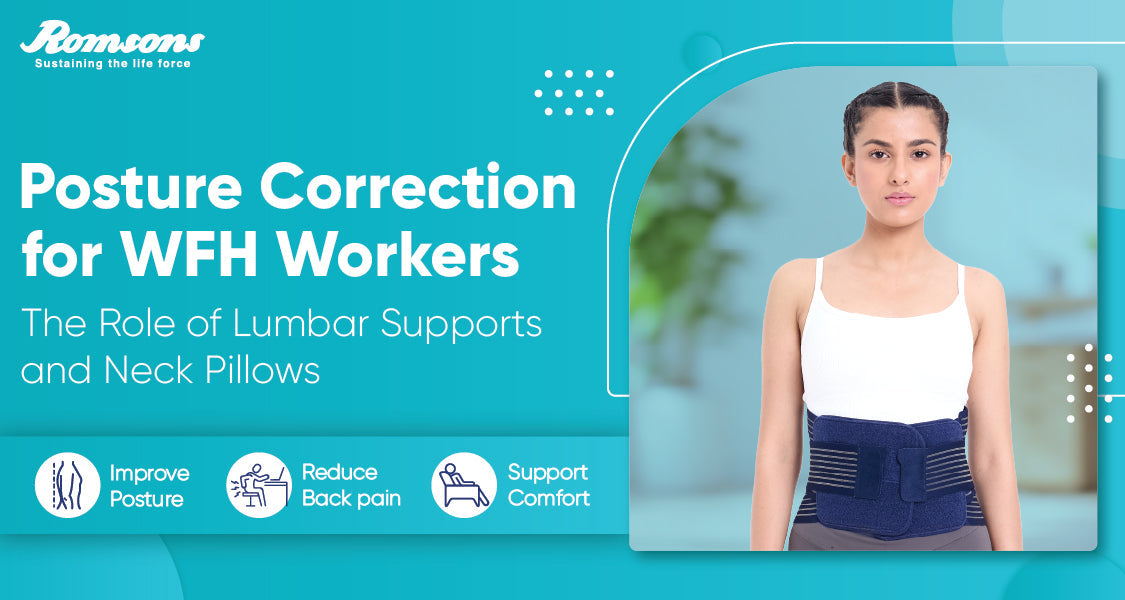
Working from home once sounded like a dream. No commute, flexible schedules, and the comfort of your own space. But for millions of professionals, remote work has introduced a new challenge: poor posture.
Kitchen chairs have become office chairs. Sofas have become workstations. Dining tables have doubled as desks. As a result, complaints of lower back pain, neck stiffness, shoulder tension, and poor posture have become increasingly common among work-from-home (WFH) employees.
If you've ever ended a workday with an aching back or a stiff neck, you're not alone.
The good news? Small ergonomic adjustments can make a significant difference. Lumbar supports, neck pillows, posture-friendly seating, and proper workspace habits can help reduce strain and improve comfort throughout the workday.
Here's what you need to know about posture correction for WFH workers and how the right support devices can help protect your spine.
Why Working from Home Can Wreck Your Posture
The human body is designed for movement—not for sitting in one position for eight to ten hours a day.
Unfortunately, many home workspaces are not designed with ergonomics in mind. When working from a couch, bed, or poorly adjusted chair, people often adopt unhealthy positions such as:
- Slouching forward
- Rounded shoulders
- Forward head posture
- Unsupported lower back
- Crossed or awkward leg positions
Over time, these habits place excess stress on the muscles, joints, and spinal discs.
The result?
- Lower back pain
- Neck pain
- Shoulder tightness
- Reduced flexibility
- Headaches
- Fatigue
- Poor productivity
What starts as occasional discomfort can gradually develop into chronic musculoskeletal issues if left unaddressed.
Understanding the Importance of Neutral Spine Alignment
Good posture isn't about sitting perfectly straight all day.
Instead, it's about maintaining a neutral spine position that supports the body's natural curves.
The spine has three natural curves:
- Cervical curve (neck)
- Thoracic curve (upper back)
- Lumbar curve (lower back)
When these curves are properly supported, muscles don't have to work as hard to keep the body upright.
Poor sitting habits flatten or exaggerate these curves, leading to increased pressure on spinal structures and surrounding muscles.
This is where lumbar supports and neck pillows can play an important role.
How Lumbar Supports Help WFH Professionals
The lumbar region refers to the lower back area of the spine.
One of the most common problems among desk workers is the loss of lumbar support while sitting. Without adequate support, the lower back tends to round forward, creating strain on spinal discs and muscles.
Benefits of Lumbar Support
A quality lumbar support can help:
- Maintain the natural curve of the lower spine
- Reduce lower back stress
- Improve sitting posture
- Minimize muscle fatigue
- Promote comfort during prolonged sitting
- Encourage proper spinal alignment
For individuals who spend long hours at a desk, lumbar support can be an effective addition to an ergonomic workspace.
The Role of Neck Pillows in Posture Correction
While lower back pain receives most of the attention, neck discomfort is equally common among remote workers.
Many professionals spend hours looking down at laptops or smartphones, creating what's often referred to as "tech neck."
This forward-head posture increases stress on the cervical spine and surrounding muscles.
How Neck Pillows Can Help
Neck pillows are designed to support the natural curve of the cervical spine.
Depending on their design, they may help:
- Reduce neck strain
- Support proper sleeping posture
- Improve comfort during travel
- Promote better spinal alignment
- Reduce morning stiffness
A supportive neck pillow can complement daytime posture improvements by helping the body recover during sleep.
Ergonomic Tips for Better Posture While Working from Home
Support devices work best when combined with healthy workplace habits.
Adjust Your Screen Height
Your monitor should be positioned at eye level.
Looking down for extended periods can contribute to neck and shoulder strain.
Keep Feet Flat on the Floor
Feet should rest comfortably on the floor or a footrest. Dangling feet can affect pelvic alignment and lower back comfort.
Sit Back in Your Chair
Avoid perching on the edge of your seat. Sitting fully back allows the chair and lumbar support to do their job.
Take Movement Breaks
Even the best posture isn't meant to be held continuously.
Try standing, stretching, or walking for a few minutes every 30–60 minutes.
Strengthen Your Core
Strong abdominal and back muscles provide additional support for spinal alignment.
Simple exercises such as planks, bridges, and walking can help improve posture over time.
Supporting Your Lower Back with the Right Orthopedic Aid
For individuals experiencing recurring lower back discomfort, additional support may be beneficial during daily activities.
One option designed to provide targeted support is the Romsons Lumbo Sacral Belt.
The belt is ergonomically designed to support the lumbar region and help reduce stress on the lower spine during prolonged sitting, standing, or movement.
Key Features of Romsons Lumbo Sacral Belt
Flexi Back Splinting
The belt incorporates Flexi Back Splinting technology that provides enhanced back support while helping maintain proper posture and improving overall comfort.
Double Pull Mechanism
Its double adjustable straps create additional compression and secure fastening, helping the belt stay firmly in place throughout the day.
Extra Porous Material
Long working hours can become uncomfortable if support devices trap heat.
The extra porous material used in the belt promotes ventilation and breathability, helping improve user comfort.
Ergonomic Design
The ergonomic construction helps reduce stress on the lumbar spine while allowing users to move more comfortably during daily activities.
Suitable for Everyday Use
Its aesthetically pleasing design allows it to be worn regularly as a supportive aid without significantly affecting daily routines.
While posture correction should include exercise, workstation improvements, and healthy movement habits, supportive products such as the Romsons Lumbo Sacral Belt can provide additional comfort and support when needed.
Common Posture Mistakes WFH Employees Make
Even with ergonomic equipment, certain habits can undermine posture.
Watch out for:
- Working from bed regularly
- Leaning toward the screen
- Cradling the phone between shoulder and ear
- Sitting for hours without breaks
- Using laptops without external keyboard support
- Ignoring lower back support
Awareness is often the first step toward correction.
Working from home offers convenience, but it can also place significant stress on the spine if posture is neglected.
Poor sitting habits may contribute to lower back pain, neck stiffness, muscle fatigue, and reduced productivity. Fortunately, ergonomic adjustments can help.
Lumbar supports assist in maintaining the natural curve of the lower back, while neck pillows support cervical alignment and recovery during rest. Combined with proper workstation setup, regular movement, and strengthening exercises, these tools can play an important role in posture correction.
For individuals seeking additional lower back support during long workdays, products such as the Romsons Lumbo Sacral Belt offer ergonomic support, enhanced comfort, and targeted lumbar stabilization.
Because when it comes to working from home, your posture isn't just about comfort—it's an investment in your long-term spinal health.