

Purpose of IV Cannulation: Definition, Indications, Uses & Benefits
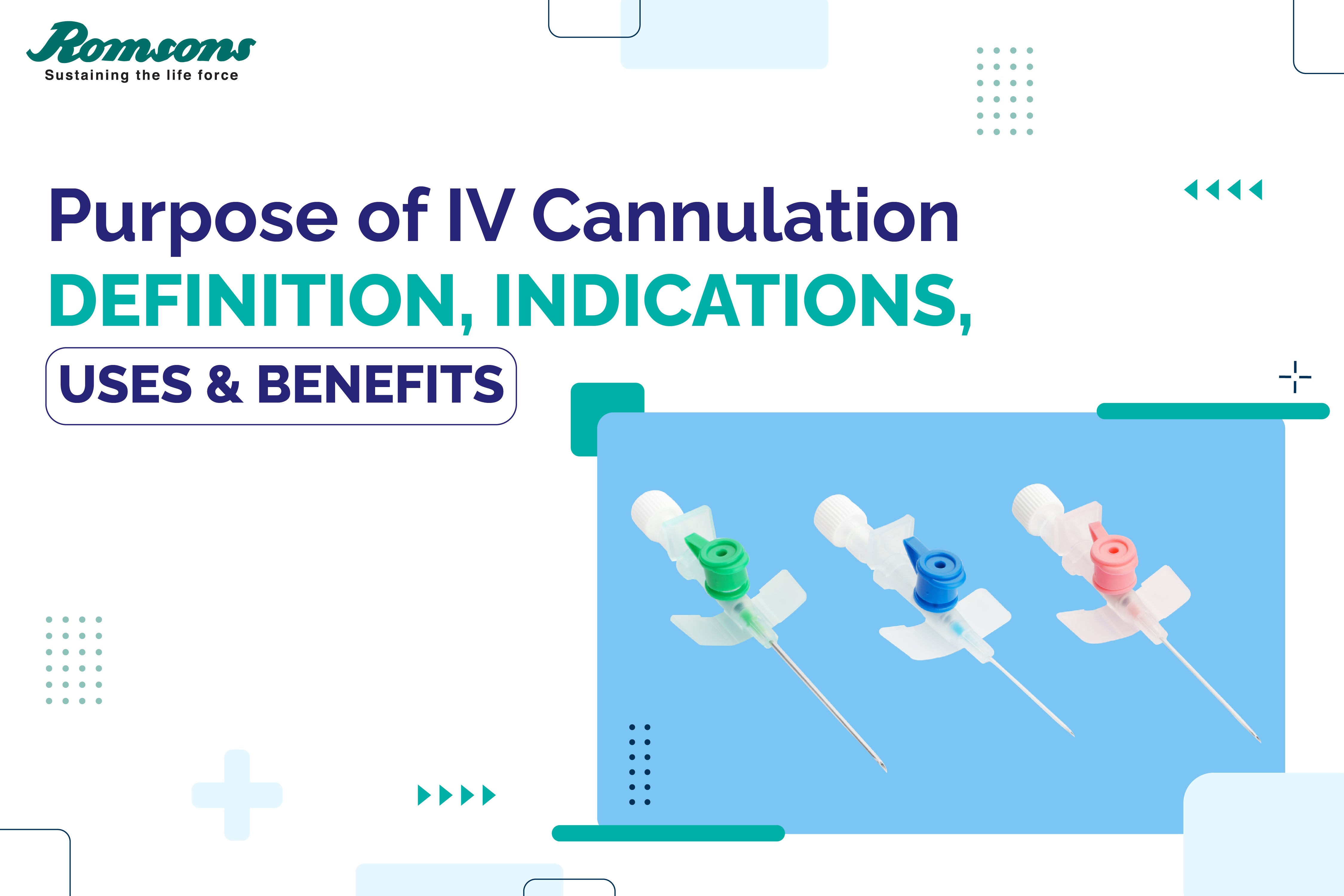
Intravenous (IV) cannulation is one of the most commonly performed medical procedures across hospitals, clinics, and emergency settings. From administering life-saving medications to maintaining hydration, IV cannulation plays a critical role in modern healthcare. Despite being routine, many patients and caregivers are unaware of its full purpose, benefits, and importance.
We’ll break down what IV cannulation is, why it’s used, its indications, benefits, and how advanced cannulas—such as Romsons Intra Cath IV Cannula, Neo Care Paediatric Intra Venous Cannula, and Micron Paediatric Intra Venous Cannula—help ensure safer and more comfortable care.
What Is IV Cannulation?
IV cannulation is the process of inserting a small, flexible tube (called a cannula) into a vein, usually in the hand, arm, or sometimes the foot or scalp (in infants). Once inserted, the cannula provides direct access to the bloodstream.
This access allows healthcare professionals to:
- Deliver fluids and medications
- Draw blood samples
- Provide emergency treatment quickly
Unlike repeated injections, IV cannulation offers continuous and reliable venous access, reducing discomfort for patients who require frequent therapy.
Why Is IV Cannulation Important?
IV cannulation is essential because it enables fast, controlled, and effective treatment. Oral medications may not work in emergencies or when patients cannot swallow. IV access ensures that treatment reaches the bloodstream immediately, making it especially critical in intensive care units (ICUs), emergency rooms (ERs), and operating theatres.
Indications for IV Cannulation
IV cannulation is recommended in various medical situations. Some of the most common indications include:
1. Fluid Administration
Patients suffering from dehydration, blood loss, or shock often need IV fluids to stabilize blood pressure and maintain electrolyte balance.
2. Medication Delivery
IV cannulas are used to administer:
- Antibiotics
- Pain medications
- Chemotherapy drugs
- Sedatives and anesthetics
3. Emergency & Critical Care
In emergencies such as trauma, cardiac arrest, or severe infections, IV cannulation provides immediate access for life-saving drugs.
4. Blood Transfusion
Patients with anemia, surgical blood loss, or trauma may require blood or blood products through IV access.
5. Paediatric & Neonatal Care
Infants and children often need IV therapy for infections, nutritional support, or hydration—making specialized paediatric cannulas essential.
Uses of IV Cannulation in Healthcare
IV cannulation is used across multiple departments, including:
- Emergency Medicine – rapid drug and fluid delivery
- Surgery & Anesthesia – maintaining fluids and administering anesthesia
- Oncology – chemotherapy and supportive medications
- Paediatrics & Neonatology – delicate IV therapy for infants
- General Wards & OPDs – antibiotics and routine IV treatments
High-quality cannulas, such as Romsons Intra Cath IV Cannula, are designed to support these varied clinical needs while minimizing patient discomfort.
Benefits of IV Cannulation
1. Quick and Efficient Treatment
IV cannulation ensures medications act faster than oral or intramuscular routes.
2. Continuous Venous Access
Once placed, healthcare providers can administer multiple treatments without repeated needle pricks.
3. Accurate Dosage Control
IV therapy allows precise control over drug dosage and infusion speed.
4. Improved Patient Comfort
Using a well-designed cannula reduces pain, vein irritation, and the need for repeated injections.
5. Essential for Paediatric Care
Specialized cannulas like Neo Care Paediatric Intra Venous Cannula and Micron Paediatric Intra Venous Cannula are crafted for small, fragile veins, ensuring safety and comfort for children.
Types of IV Cannulas and Their Purpose
Peripheral IV Cannula
Inserted into peripheral veins (hand or arm), these are commonly used for short-term treatments.
Paediatric IV Cannula
Designed specifically for infants and children, these cannulas are smaller and gentler to prevent vein damage.
Safety IV Cannula
Includes features to reduce needlestick injuries and improve infection control.
Role of Quality IV Cannulas in Patient Safety
Not all IV cannulas are the same. Quality matters when it comes to:
- Smooth insertion
- Reduced trauma to veins
- Lower risk of infection
- Improved patient experience
Romsons Intra Cath IV Cannula is designed with precision to ensure smooth cannulation and reliable flow rates, making it suitable for both emergency and routine use.
For paediatric patients, Neo Care Paediatric Intra Venous Cannula and Micron Paediatric Intra Venous Cannula offer size-appropriate designs that help clinicians achieve successful cannulation on the first attempt—reducing stress for both children and caregivers.
IV Cannulation in Children: What Makes It Different?
Cannulating infants and children requires special care due to:
- Smaller veins
- Higher sensitivity to pain
- Increased risk of vein collapse
Paediatric cannulas like Neo Care and Micron are engineered with:
- Thin, smooth catheters
- Color-coded sizes for accuracy
- Flexible materials to reduce vein trauma
These features support safer IV therapy and better outcomes in neonatal and paediatric care units.
Risks of IV Cannulation (And How They’re Minimized)
While IV cannulation is generally safe, possible risks include:
- Infection at the insertion site
- Phlebitis (vein inflammation)
- Infiltration or leakage
- Bruising
Using high-quality cannulas, following sterile techniques, and monitoring the IV site regularly significantly reduce these risks.
How Long Can an IV Cannula Stay In?
A peripheral IV cannula is typically used for 72–96 hours, depending on hospital protocols, patient condition, and signs of infection or discomfort. Regular assessment ensures timely replacement when needed.
IV cannulation may seem like a small procedure, but its role in healthcare is massive. From emergency medicine to paediatric care, it enables fast, accurate, and life-saving treatment. Understanding its purpose, indications, and benefits helps patients feel more informed and confident about their care.
Choosing the right cannula—such as Romsons Intra Cath IV Cannula for general use or Neo Care Paediatric Intra Venous Cannula and Micron Paediatric Intra Venous Cannula for children—plays a vital role in improving patient comfort, safety, and clinical outcomes.
In modern medicine, IV cannulation isn’t just about access—it’s about delivering care with precision, safety, and compassion.
Frequently Asked Questions (FAQs)
1. What is the main purpose of IV cannulation?
The primary purpose of IV cannulation is to provide direct access to the bloodstream for administering fluids, medications, blood products, or emergency treatments quickly and efficiently. It allows continuous venous access without repeated needle insertions.
2. Is IV cannulation a painful procedure?
IV cannulation may cause mild discomfort or a brief pinching sensation during insertion. However, using high-quality cannulas and proper technique significantly reduces pain. In children, specially designed options like paediatric IV cannulas help make the procedure more comfortable.
3. How long can an IV cannula safely remain in the body?
A peripheral IV cannula typically stays in place for 72 to 96 hours, depending on hospital protocols and patient condition. It should be removed earlier if there are signs of pain, swelling, redness, or infection at the insertion site.
4. Why are paediatric IV cannulas different from adult cannulas?
Paediatric IV cannulas are smaller and made with softer, flexible materials to suit delicate veins in infants and children. Products like Neo Care Paediatric Intra Venous Cannula and Micron Paediatric Intra Venous Cannula are designed to minimize vein trauma and improve insertion success.
5. What are the risks of IV cannulation?
While IV cannulation is generally safe, potential risks include infection, bruising, phlebitis, or fluid leakage. These risks are minimized by using sterile techniques, proper monitoring, and reliable cannulas such as Romsons Intra Cath IV Cannula.