

Romsons Catheter Safety Checklist: Sterilisation, Materials, and Design
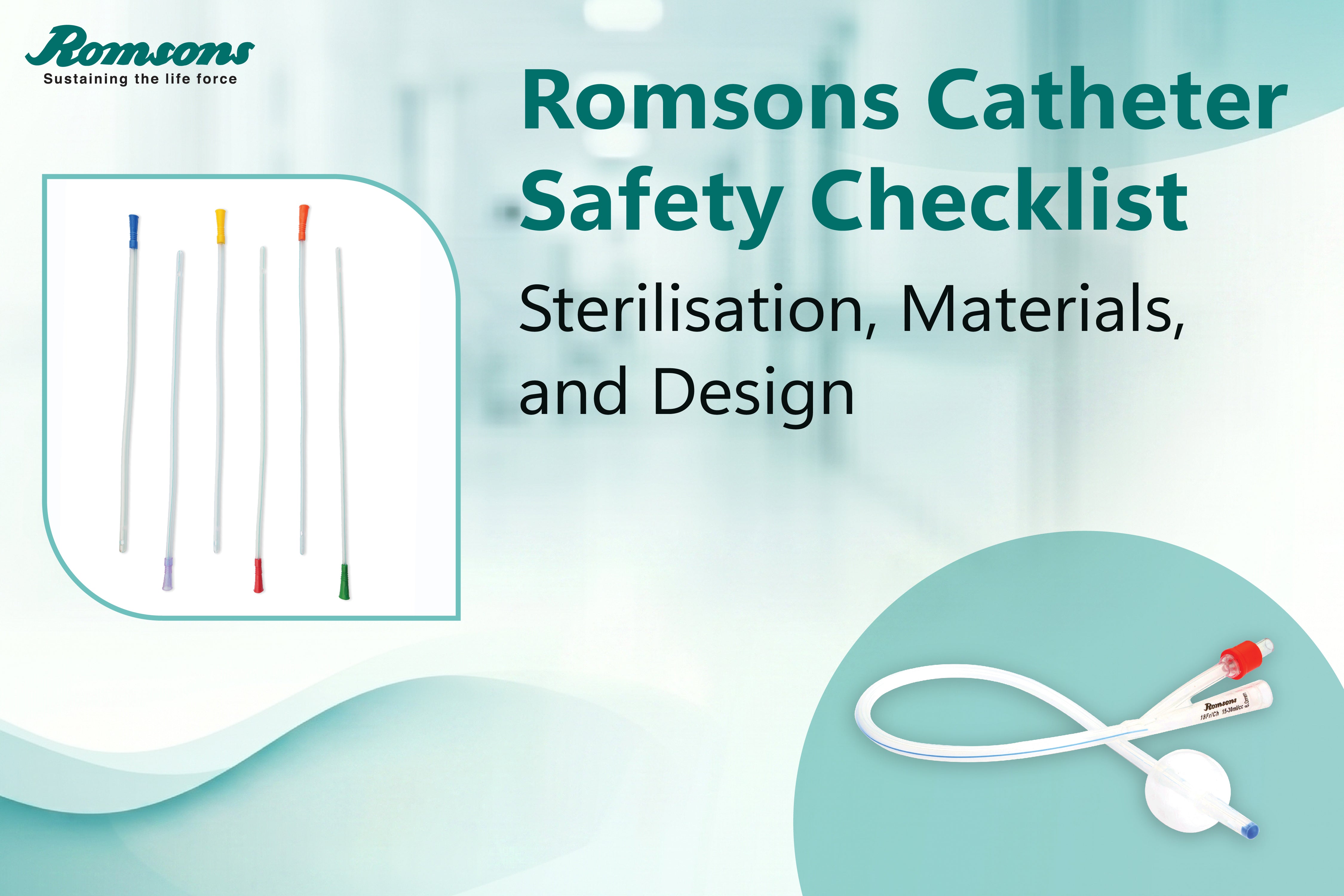
Your essential guide to choosing safe, effective catheters with confidence
When it comes to urinary catheters, safety isn’t just a priority — it’s non-negotiable. Whether you’re a healthcare professional, caregiver, or someone managing long-term catheterisation, knowing what goes into a safe, reliable catheter can make all the difference in outcomes and comfort. This is where a comprehensive catheter safety checklist becomes invaluable.
Let us explore key elements of catheter safety with a focus on sterilisation, materials, and design — all from a practical, medically informed perspective. We’ll also highlight where Romsons Catheter solutions fit into this safety narrative, helping you make confident choices based on evidence, comfort, and clinical performance.
Why Catheter Safety Matters
Catheterisation is common in healthcare — from perioperative care to long-term bladder management — but it carries risks if safety isn’t prioritised. Improper sterilisation, poor material choices, or suboptimal design can lead to infection, tissue irritation, discomfort, or complications.
According to urinary care guidelines, catheter-associated urinary tract infections (CAUTIs) are among the most frequent hospital-acquired infections worldwide. Ensuring your catheter meets safety standards reduces these risks and enhances patient wellbeing.
This is where a detailed safety checklist becomes essential for both clinicians and caregivers.
The Catheter Safety Checklist
Let’s dive into the systematic checklist you can use when evaluating any catheter product — including Romsons Catheter variants — for everyday use.
1. Sterilisation Standards Are a Must
Why it matters:
Sterilisation ensures the catheter is free from all viable microorganisms, which dramatically lowers the chance of infection.
What to look for:
- Sterile packaging – The catheter should be individually packed in sterile conditions.
- Regulatory compliance – Make sure it meets international standards such as ISO (International Organisation for Standardisation) or local regulatory requirements.
- Clear labeling – Sterilisation method should be clearly mentioned (e.g., EO sterilisation).
Romsons Catheter Insight:
Romsons Catheters are manufactured under stringent sterilisation protocols to ensure each unit is free of contamination. Proper packaging and sterilisation labeling give healthcare professionals and caregivers confidence that safety isn’t left to chance.
2. Material Matters: Soft, Safe, and Biocompatible
Not all catheter materials are created equal. The right material balances comfort, biocompatibility, and clinical performance.
Let’s look at common materials and what they offer:
Latex
- Flexible and affordable
- May cause allergic reactions in sensitive individuals
Silicone
- Highly biocompatible
- Excellent for long-term use
- Less irritation
PVC (Polyvinyl Chloride)
- Cost-effective
- Typically used in short-term applications
What to check:
✔ Hypoallergenic properties
✔ Non-toxicity
✔ Biocompatibility certifications
✔ Flexibility and Comfort
Romsons Catheter Materials:
Romsons Catheters utilise materials known for their safety and patient comfort — often high-grade silicone or latex with biocompatible coatings. These choices help reduce irritation, enhance usability, and support a smoother catheterisation process.
3. Design Features That Enhance Safety
A catheter’s design directly impacts ease of use, comfort, and infection risk. Here’s what to assess:
Tip Design
- Rounded, smooth tips reduce urethral trauma
- Coude tips help navigate anatomical difficulties in certain patients
Lumen Size
- Appropriate French (Fr) size for patient anatomy minimizes trauma
- Avoid overly large diameters unless clinically indicated
Coatings
Catheters with hydrophilic or silicone coatings can:
- Reduce friction during insertion
- Improve patient comfort
- Lower urethral irritation
- User-Friendly Tips:
- Ergonomic hubs and easy-grip designs help sterile handling
- Clear markings simplify measurement and placement
Romsons Design Advantage:
Romsons Catheter products are engineered with thoughtful design elements — including smooth tips and ergonomic hubs — to support both clinician efficiency and patient comfort. These design cues are critical for reducing complications and facilitating gentle catheterisation.
4. Ease of Use: Training and Instructions
An often-overlooked part of safety is how the catheter is used.
A safe catheter is only as good as the user’s understanding of how to apply it. That’s why you should ensure your catheter:
- Comes with clear, step-by-step instructions
- Includes visual guides for proper insertion and maintenance
- Provides guidance on disposal and reuse restrictions
This checklist item is especially crucial for intermittent catheterisation at home, where caregivers and patients must rely on product documentation and best practices.
Romsons Catheter Packaging:
Romsons Catheters include comprehensive instructions designed to empower users and caregivers — not just clinicians — with guidance on sterile insertion, secure handling, and safe disposal.
5. Compliance With Healthcare Standards
Safe catheters align with recognised healthcare and quality systems, such as:
- ISO (Medical Devices Quality Management)
- CE marking
- Local regulatory approvals
These standards ensure that manufacturing, documentation, and quality control are consistent and transparent.
Before purchase or use, check the catheter’s label for compliance marks and certifications. This helps ensure you’re using a product backed by rigorous quality assurance.
Putting the Checklist Into Practice
Here’s a quick pre-use safety review you can keep handy:
✔ Packaging intact and sterile
✔ Material type noted and compatible with patient needs
✔ Smooth tip and appropriate size chosen
✔ Clear instructions available
✔ Product complies with recognised quality standards
If you answered yes to all these, you’re on the right track to safe catheter use.
Real-World Benefits of a Safety-First Approach
Investing time in choosing catheters based on safety isn’t just preventive — it improves real outcomes:
Reduced CAUTI Risk
Sterile, high-quality catheters drastically cut the incidence of infection.
Enhanced Patient Comfort
Biocompatible materials and thoughtful design reduce irritation and discomfort.
Better Clinical Efficiency
Clinicians spend less time managing complications and more time on care.
Confidence at home
For patients managing self-catheterisation, safety features reduce anxiety and empower independence.
Safety is a Continuous Journey
Catheter safety isn’t about a single product feature — it’s a holistic process involving sterilisation, material science, design engineering, and user education.
Whether you’re evaluating catheters for hospital use, long-term care, or home management, this Romsons Catheter Safety Checklist can help guide better decisions that protect health and improve quality of life.
Choosing products like Romsons Catheter that prioritise sterilisation standards, superior materials, ergonomic design, and clear user guidance isn’t just good practice — it’s smart healthcare.