

What Is a Normal SpO₂ Level? When to Worry and When to See a Doctor
Oxygen is life—every breath you take fuels your body’s organs, brain, and muscles. But how do you know if your body is getting enough oxygen? That’s where SpO₂ (peripheral oxygen saturation) comes in.
If you’ve ever used a pulse oximeter or checked your oxygen level during illness, you’ve likely seen a number pop up—usually somewhere between 90 and 100. But what does that number really mean? And more importantly, when should it worry you? Let’s break it down in a simple way.
What Is SpO₂?
SpO₂ refers to the percentage of oxygen-saturated hemoglobin in your blood. In simpler terms, it shows how much oxygen your blood is carrying compared to its full capacity.
Your body relies on oxygen to function. When levels drop too low, it can affect vital organs—especially your brain and heart.
How Is SpO₂ Measured?
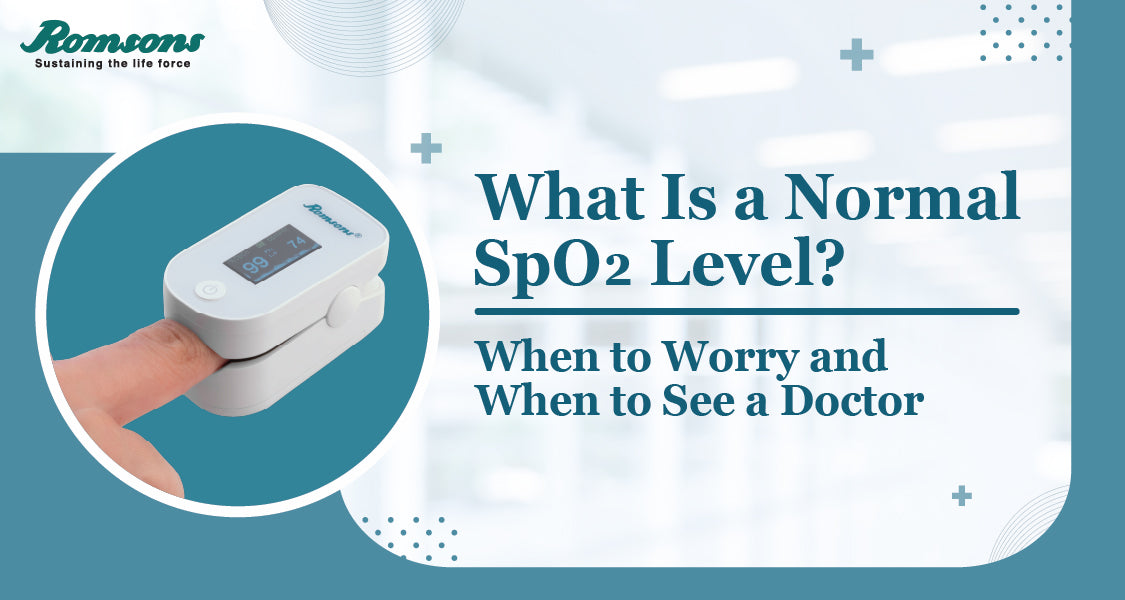
SpO₂ is typically measured using a pulse oximeter, a small device clipped onto your fingertip.
Devices like the Romsons Oxee Check Finger Pulse Oximeter are commonly used at home for quick, non-invasive readings. Within seconds, you get:
- Oxygen saturation (SpO₂)
- Pulse rate
This makes it especially useful during respiratory illnesses, post-COVID monitoring, or for people with chronic lung conditions.
What Is a Normal SpO₂ Level?
For most healthy individuals, normal SpO₂ levels range between 95% and 100%.
Here’s a quick breakdown:
- 95%–100% → Normal oxygen level
- 91%–94% → Slightly low (monitor closely)
- Below 90% → Low oxygen level (hypoxemia)
While these numbers are a general guideline, what’s “normal” can vary slightly depending on age, altitude, and overall health.
Why SpO₂ Levels Matter
Your blood oxygen level is a key indicator of how well your lungs and circulatory system are working.
When oxygen levels drop:
- Your organs may not get enough oxygen
- You may feel breathless or fatigued
- Severe drops can become life-threatening if untreated
That’s why regular monitoring—especially during illness—is crucial.
When Should You Worry About Your SpO₂?
A single low reading doesn’t always mean an emergency. But consistent or significantly low readings should never be ignored.
Warning Signs to Watch For
You should be concerned if your SpO₂ level is:
- Consistently below 94%
- Dropping suddenly from your usual baseline
- Accompanied by symptoms like:
-
-
Shortness of breath
-
Chest pain
-
Rapid heartbeat
-
Confusion or dizziness
-
Bluish lips or fingertips
-
If your reading falls below 90%, it’s considered a medical emergency in many cases.
When to See a Doctor
Knowing when to act can make all the difference.
Seek Medical Help Immediately If:
- SpO₂ is below 90%
- You’re experiencing severe breathlessness
- You have chest pain or pressure
- You feel confused or disoriented
Consult a Doctor If:
- SpO₂ stays between 91%–94% consistently
- You have a chronic condition like asthma, COPD, or heart disease
- You’re recovering from a respiratory infection and not improving
Early intervention can prevent complications.
Who Should Monitor Their SpO₂ Regularly?
While anyone can benefit from checking oxygen levels, some people should monitor it more closely:
- People with respiratory conditions (like asthma or COPD)
- Patients recovering from COVID-19 or pneumonia
- Individuals with heart conditions
- Older adults
- Smokers
For these groups, having a reliable device like the Romsons Oxee Check Finger Pulse Oximeter at home can be a practical way to stay proactive about health.
Factors That Can Affect SpO₂ Readings
Pulse oximeters are helpful—but not perfect. Several factors can influence readings:
- Cold fingers or poor circulation
- Nail polish or artificial nails
- Movement during measurement
- Skin pigmentation (in some cases)
- High altitudes
To get the most accurate reading:
- Keep your hand warm and still
- Remove nail polish
- Sit calmly for a few minutes before measuring
SpO₂ Levels During Sleep and Exercise
It’s normal for oxygen levels to fluctuate slightly during different activities.
During Sleep
SpO₂ may drop slightly but should generally stay above 90%.
During Exercise
Levels may dip briefly but should recover quickly once you rest.
If your levels drop significantly and don’t recover, it’s worth discussing with a doctor.
Can You Improve Your SpO₂ Levels?
Yes—depending on the cause.
Simple Ways to Support Healthy Oxygen Levels:
- Practice deep breathing exercises
- Maintain good posture (especially if sitting long hours)
- Stay physically active
- Avoid smoking
- Keep indoor air clean
In medical cases, doctors may recommend oxygen therapy or medications.
Why Home Monitoring Is Becoming Essential
Post-pandemic, awareness around oxygen levels has increased significantly. Many households now keep a pulse oximeter alongside a thermometer.
A compact device like the Romsons Oxee Check Finger Pulse Oximeter allows you to:
- Track changes in real time
- Detect early warning signs
- Reduce unnecessary hospital visits
- Stay prepared during emergencies
It’s a small tool—but it can offer big peace of mind.
The Bottom Line
Your SpO₂ level is more than just a number—it’s a snapshot of how well your body is functioning.
- 95%–100% is considered normal
- Levels below 94% need attention
- Levels under 90% require urgent care
Regular monitoring, awareness of symptoms, and timely medical advice can help you stay ahead of potential health issues.
If something feels off, don’t ignore it. Your body often gives subtle signals—SpO₂ is just one way to listen.