

Winter Baby Care Guide — Essential Products for Hygiene & Protection
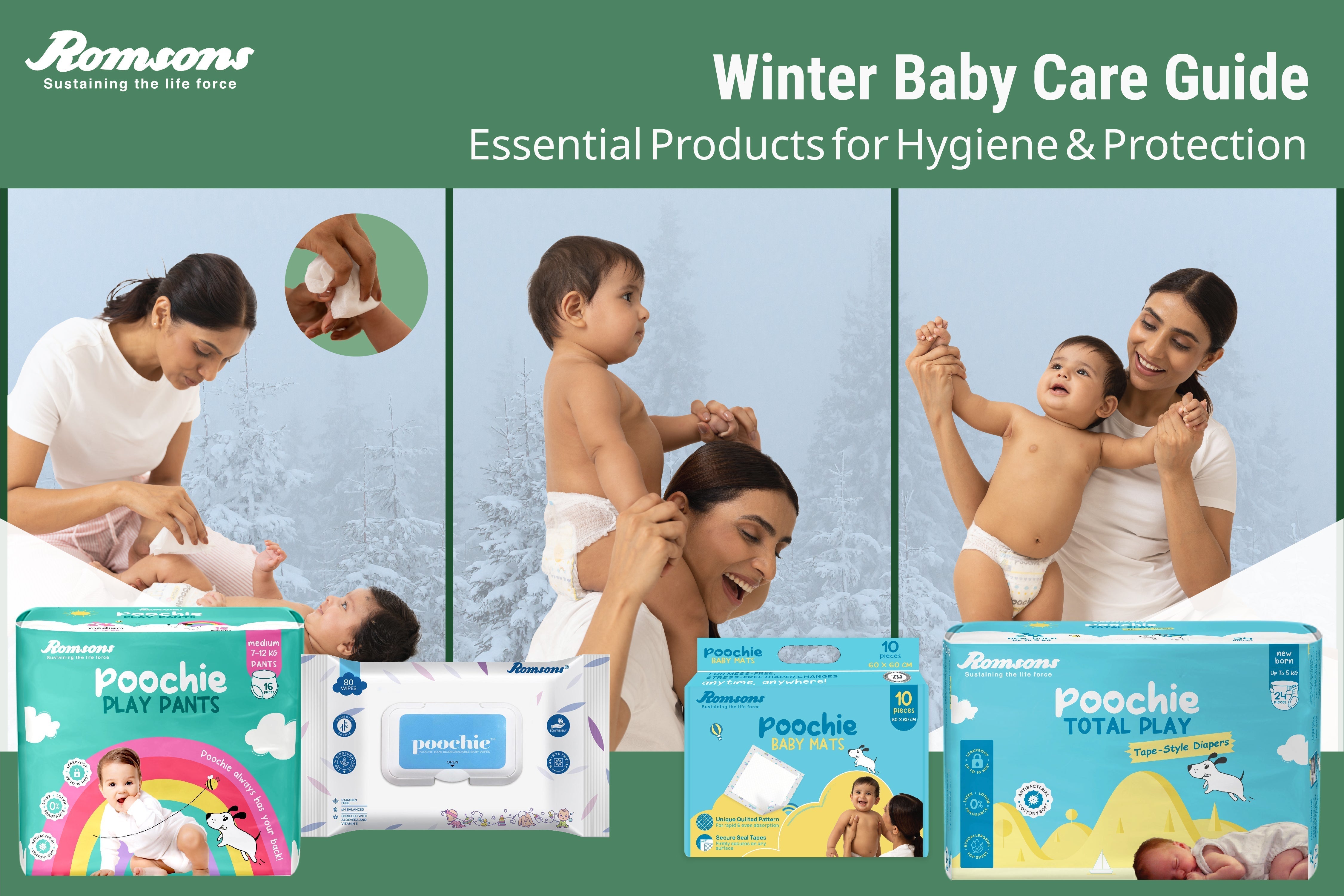
Winter brings cosy snuggles, but for babies it also means extra attention to skin, temperature, and hygiene. Babies lose heat faster than adults, and their skin is delicate — especially in cold, dry air. This practical guide lays out must-have products and gentle routines to protect your baby during the colder months, with simple how-tos you can follow every day.
1. Understand Winter Risks for Babies (quick primer)
Cold weather can cause:
- Dry, flaky skin due to low humidity.
- Chapped cheeks and lips from wind and indoor heating.
- Temperature imbalance, because infants can't regulate body heat as well.
- Higher risk of irritation or infections when skin barrier is compromised.
The aim is to keep the baby warm, hydrated, and clean — without over-bathing or overdressing.
2. Daily Essentials: What You Really Need
Thermoregulation & clothing
- Layer Smartly: Base layer (soft cotton), insulating layer (fleece or knitted), and a lightweight outer layer. Avoid heavy blankets in the crib; use sleep sacks rated for the room temp.
- Hat and Socks for outings — A lot of heat is lost through the head and feet, especially in newborns. Invest in a good beanie and socks to make sure your baby is warm when outdoors.
Skincare basics
- Mild fragrance-free cleanser for quick washes.
- Gentle, hypoallergenic moisturizer to apply after baths while skin is still damp.
Hygiene & convenience products (must-haves)
- Poochie Play Pants: Breathable disposable diapers with good absorbency for dry winter nights and daytime comfort. Their fit and leak protection help avoid frequent changes that can chill a baby.
- Poochie Total Play Newborn Tape Style Baby Diapers: Ideal for newborns; tape-style fastenings make quick changes easier during cold weather when you want to minimize exposed skin.
- Poochie 100% Biodegradable Baby Wipes: Soft, alcohol-free wipes for gentle cleaning — perfect for wiping hands, faces and diaper changes without stripping oils.
- Poochie Baby Changing Mats (Disposable): Hygienic, single-use changing mats for on-the-go or home use to avoid cross-contamination and speedy clean-ups when it’s chilly.
3. Skincare—Gentle Winter Rules
- Use a mild, pH-balanced baby wash; avoid antibacterial soaps unless prescribed.
- Pat dry, don’t rub, and apply a fragrance-free moisturizer within 2 minutes of drying to lock in moisture.
- For cracked or chapped skin, apply a thicker emollient cream and consult your pediatrician if severe.
Tip: If you use wipes for a quick clean, choose alcohol-free, biodegradable wipes (like Poochie 100% Biodegradable Baby Wipes) to reduce irritation and environmental impact.
4. Diapering in Winter — Stay Dry, Stay Warm
- Frequent diaper changes help prevent rash and keep skin dry — but avoid fully undressing the baby for long. Keep the room warm and have supplies ready.
- For newborns, Poochie Total Play Newborn Tape Style Diapers let you change quickly and securely fit around the umbilical area.
- For older infants and overnight protection, Poochie Play Pants offer extended absorbency so the baby stays dry through naps and nighttime, reducing disturbances and keeping them cozy.
- Place a disposable changing mat under the baby to make quick changes efficient and hygienic — important when you don’t want to expose them to cold surfaces.
5. Protecting Delicate Areas: Face, Hands, and Nose
- Apply a gentle barrier cream or emollient to cheeks and exposed skin before going outdoors.
- Use mittens or soft socks to prevent scratching and heat loss from tiny hands.
- For a dry or stuffy nose (common in cold seasons), use a humidifier in the nursery set to a safe humidity level (about 40–50%) and saline drops if recommended by your pediatrician.
6. On-The-Go Winter Checklist
Pack a small winter diaper bag with:
- 5–6 Poochie Total Play Newborn Tape Style Diapers (or Play Pants for toddlers)
- Biodegradable Poochie Wipes (travel pack)
- Disposable Poochie Baby Changing Mat
- A warm beanie, blanket, and extra set of clothes
- A small moisturizer and diaper rash cream
- Hand sanitizer for caregivers
- Disposable products simplify changes and reduce the time a baby spends exposed to cold air — especially helpful during outings in winter.
7. Nighttime safety and comfort
- Keep room temperature comfortable (about 22–24°C is often recommended, but follow your local advice).
- Use breathable layers and avoid heavy blankets; sleep sacks rated for the season are safer than loose blankets.
- A dry baby sleeps better — choose overnight-capable diapers (e.g., Poochie Play Pants) that reduce awakenings due to wetness.
- 8. When To Call The Pediatrician
Contact your healthcare provider if your baby:
- Develops a rash that spreads, blisters, or doesn’t improve after diaper changes and emollients.
- Shows signs of dehydration (fewer wet diapers, very dry mouth).
- Has persistent nasal congestion causing feeding or breathing difficulty.
- Has skin cracks that bleed or look infected.
9. Eco-Friendly Winter Parenting (small ways that add up)
Disposable baby products are convenient in winter. If environmental impact matters to you:
- Choose biodegradable wipes (such as Poochie 100% Biodegradable Baby Wipes) to reduce waste.
- Use disposable changing mats sparingly and dispose of them responsibly.
- Balance convenience with reusable items where practical (e.g., cloth outer layers, washable covers).
Final checklist
- Clothing layers + beanie and socks
- Moisturizer + gentle cleanser
- Poochie Total Play Newborn Tape Style Diapers (for newborns)
- Poochie Play Pants (for daytime/overnight absorbency)
- Poochie 100% Biodegradable Baby Wipes
- Poochie Baby Changing Mats (disposable)
- Humidifier for nursery
- Travel-ready winter diaper bag
Winter is about comfort and protection — but it doesn’t need to be complicated. With sensible layering, gentle skincare, and a small set of reliable hygiene products (including breathable, absorbent diapers and biodegradable wipes), you can keep your baby warm, dry, and content all season. If you’re ever unsure about a skin change, temperature concern, or feeding issue, your pediatrician is the best source of individualized guidance.